
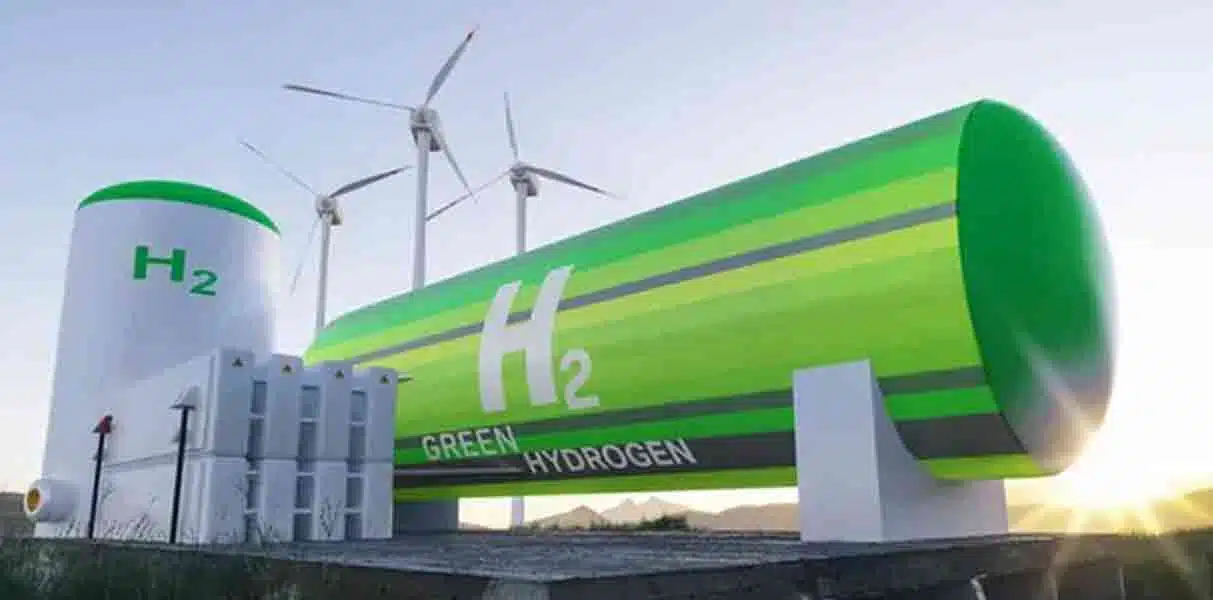
AMMAN — In a landmark move toward accelerating clean energy development, the Jordanian Cabinet has officially approved a comprehensive national framework for green hydrogen production. The new plan marks a major milestone in the country’s renewable energy strategy and aims to position Jordan as a regional centre for green hydrogen—an emerging energy source pivotal to global climate goals.
The framework was developed by the Ministry of Energy and Mineral Resources and outlines both strategic and practical steps to facilitate investment, infrastructure, and implementation of green hydrogen initiatives in the Kingdom. With this approval, Jordan joins a select group of nations taking ambitious action to lead in the low-carbon hydrogen economy of the future.
Strategic Vision to Lead the Green Hydrogen Transition
The first key phrase, Jordan approves green hydrogen framework, headlines a new era in the country’s energy landscape. The Ministry’s announcement frames the initiative as a “strategic step towards positioning Jordan as a regional centre for green hydrogen production.”
The framework details a forward-looking vision that leverages Jordan’s abundant natural resources—particularly its high solar irradiance and strong wind potential—as well as unused desert lands ideal for utility-scale hydrogen and renewable energy infrastructure.
This initiative also responds to increasing global demand for green hydrogen, a fuel produced using renewable electricity that emits no greenhouse gases, unlike its fossil-fuel-based counterparts.
Why Green Hydrogen?
Green hydrogen is widely viewed as a critical energy carrier for sectors where electrification is difficult, such as heavy industry, aviation, and shipping. It can also be converted into green ammonia, which is easier to store and transport, and is useful for both fertilizer production and as a clean marine fuel.
Jordan’s geographic location, existing energy grid, and logistical access through Aqaba Port make it an ideal candidate for green hydrogen export, particularly to European and Gulf markets seeking cleaner energy solutions.
Framework Highlights: Infrastructure, Investment, and Incentives
1. Designated Energy Zones in Southern Jordan
The framework designates strategic land parcels in southern Jordan for:
Solar and wind farms
Hydrogen production plants
Water desalination facilities
Green ammonia production units
These zones will be supported by centralized infrastructure such as:
Export terminals
Storage units
Pipelines
Logistics hubs within the Aqaba Special Economic Zone Authority (ASEZA)
2. Investment Facilitation Mechanism
The framework introduces a contractual pathway for investors, streamlining project development through:
Memoranda of Understanding (MoUs)
Feasibility studies
Land-use agreements
Final investment contracts
All activities will align with existing legislation, including the Investment Environment Law and the ASEZA Law, offering tax exemptions, customs benefits, and fast-track approvals for green projects.
3. Incentives Package
Investors will benefit from:
Guaranteed land access in designated zones
Reduced operational risks through government-backed coordination
Access to high-quality solar and wind data for precise site planning
Long-term energy purchase guarantees and infrastructure support
Governance and Oversight: Green Hydrogen Committee Formed
To ensure seamless implementation, the Jordanian government has established a national green hydrogen committee. This body comprises:
Government ministries
Energy regulators
Environmental authorities
Public-private partnership units
The committee is tasked with:
Overseeing policy execution
Coordinating foreign and domestic investments
Monitoring project milestones
Aligning hydrogen development with Jordan’s climate, trade, and food security goals
Early Partnerships: Philadelphia Solar and Enertrag Projects Underway
The Cabinet’s decision also follows two recent land-use approvals:
One with Philadelphia Solar (Jordan)
Another with Enertrag (Germany)
Both companies have been greenlit to conduct detailed feasibility studies for green hydrogen production in designated zones. These developments bring the total number of green hydrogen MoUs signed by the government to 13, of which six companies have now progressed to the land allocation stage.
Each of these firms has completed preliminary technical assessments and will now enter the final stage of site evaluation, including:
High-resolution wind and solar resource mapping
Water availability and desalination capacity studies
Grid connectivity and export potential analysis
Investment decisions will hinge on these detailed studies, expected to conclude by early 2026.
Clean Energy Leadership in the Middle East
Jordan’s decision positions it alongside other MENA countries pursuing hydrogen development, including:
United Arab Emirates – home to Masdar’s green hydrogen pilot
Saudi Arabia – NEOM’s $8.4 billion hydrogen megaproject
Egypt – green hydrogen investments in Suez Canal Economic Zone
Unlike oil-rich neighbours, Jordan lacks fossil fuel reserves, giving it added incentive to pivot decisively toward renewables and hydrogen. The country already generates more than 25% of its electricity from renewable sources, among the highest in the region.
What’s Next: A Path to Green Export Economy
The framework outlines Jordan’s transition to a hydrogen export economy, with key targets including:
Replacing imported fossil fuels with domestically produced hydrogen
Creating thousands of new jobs in engineering, manufacturing, and logistics
Doubling the country’s clean energy exports by 2030
Attracting billions in foreign direct investment through Public-Private Partnerships
Further international collaborations are expected later this year, with interest from Japanese, South Korean, and European energy firms.
Challenges Ahead
Despite the optimism, experts point to several hurdles Jordan must overcome:
Water scarcity: Desalination will be essential but costly
Grid capacity: Needs expansion and modernization
Financing: Large-scale hydrogen projects require multi-billion-dollar investments and strong credit guarantees
Technology integration: Electrolyser units, storage tech, and conversion systems are still evolving
However, the new framework is designed to tackle these challenges by integrating public support, private innovation, and global expertise into a unified development model.
Final Thoughts
With the Jordanian Cabinet approving the green hydrogen framework, the country signals its readiness to play a leading role in the global energy transition. The combination of solar abundance, regulatory foresight, and strategic partnerships sets the stage for a clean energy revolution in the heart of the Middle East.
This bold step not only aligns with Jordan’s national interests but also contributes meaningfully to global decarbonization efforts. If successful, Jordan could emerge as a model for climate-smart development in emerging economies, turning environmental challenges into long-term economic opportunities.
